


From Ironman to Alcohol-Free: How Pushing My Physical Limits Changed My Relationship With My Habits
I used to affectionately call myself “Tubby Toni.”
Yep. That was me.
My relationship with fitness has never been a straight line. I was an athlete growing up, and then life happened. Career. Marriage. Babies. I gained 50 pounds during my first pregnancy, and afterward I found my way back to fitness and nutrition. Eventually I became a group fitness instructor and certified personal trainer.
Then I discovered endurance sports.
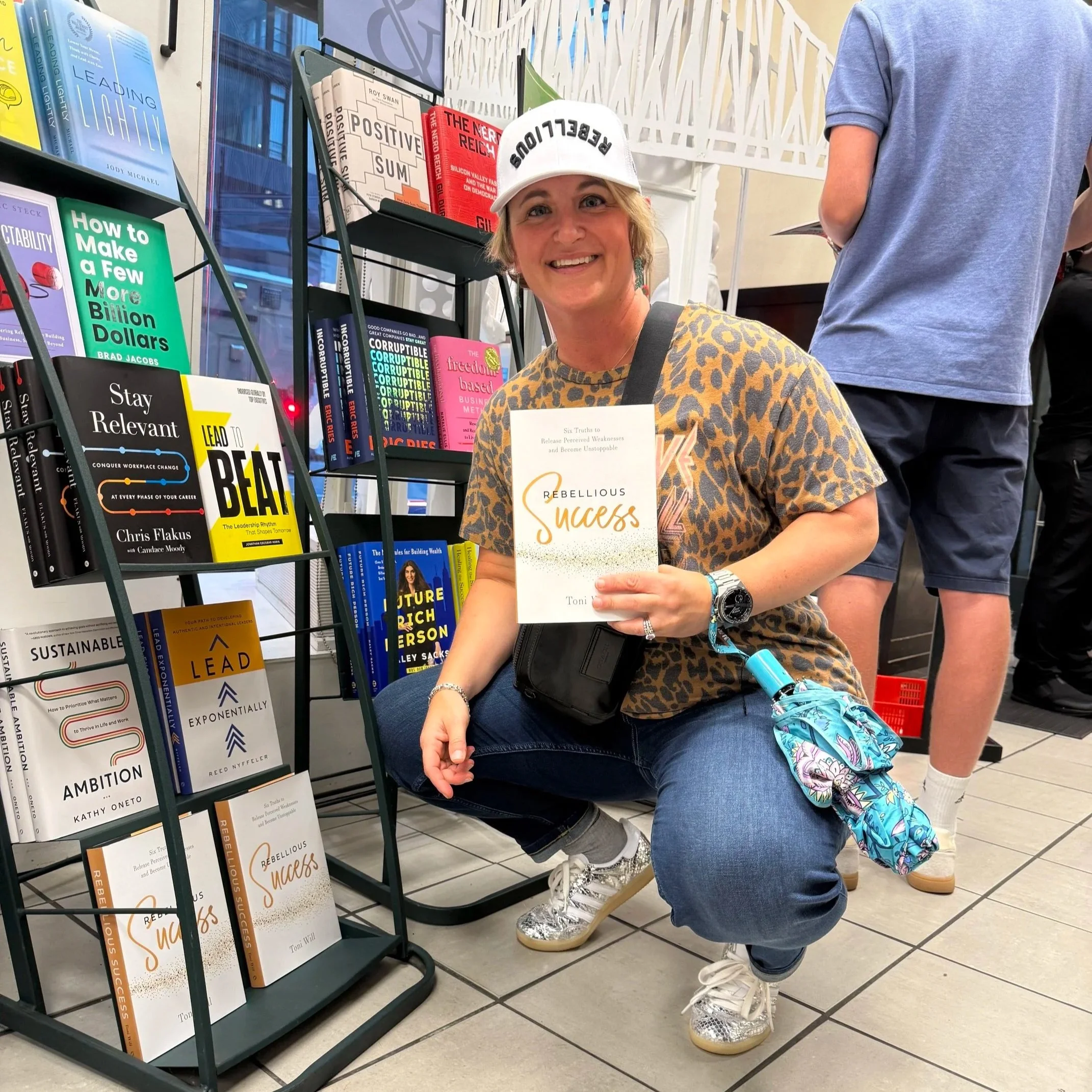
What No One Tells You About Publishing a Book: The Hard Part Comes After You Write It
I've been asked a lot lately what it feels like to be a published author. Funny, it's hard to find the words considering I am, you know, an author.
Maybe it's because it's much different to be IN an experience than it is to revisit something later with the benefit of hindsight. And I am very much still in this experience.
So far, being a published author feels surreal, fun, exciting, humbling, exhausting, joyful, liberating, and, if I'm being completely truthful, sometimes disappointing.
I'm learning that writing a book and getting a book into the world are two very different things.
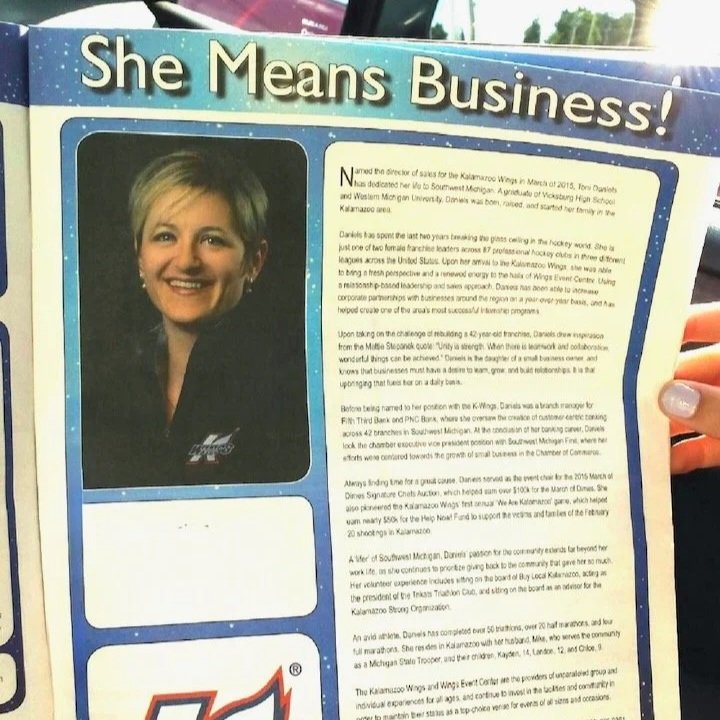
Breaking the Glass Ceiling Is a Behavior Change Problem, Not Just a Confidence Problem
For years, we’ve been telling women they need to be more confident.
Speak up. Raise your hand. Negotiate harder. Take up space. Believe in yourself.
There’s nothing inherently wrong with that advice. Confidence matters. But after more than a decade leading in professional hockey, an industry where very few people in positions like mine are women, I think we’re missing a big part of the conversation.

Americans Are Drinking Less. I Think That's Really Good News.
A statistic stopped me in my tracks recently.
Gallup reported that only 54% of Americans now drink alcohol, tying the lowest percentage the organization has recorded in decades. At the same time, Gen Z is drinking significantly less than previous generations, and the phrase sober curious has quietly worked its way into our everyday vocabulary. Restaurants now feature mocktail menus alongside wine lists. Alcohol-free beer sits next to the IPAs. What once felt unusual has become increasingly...normal.
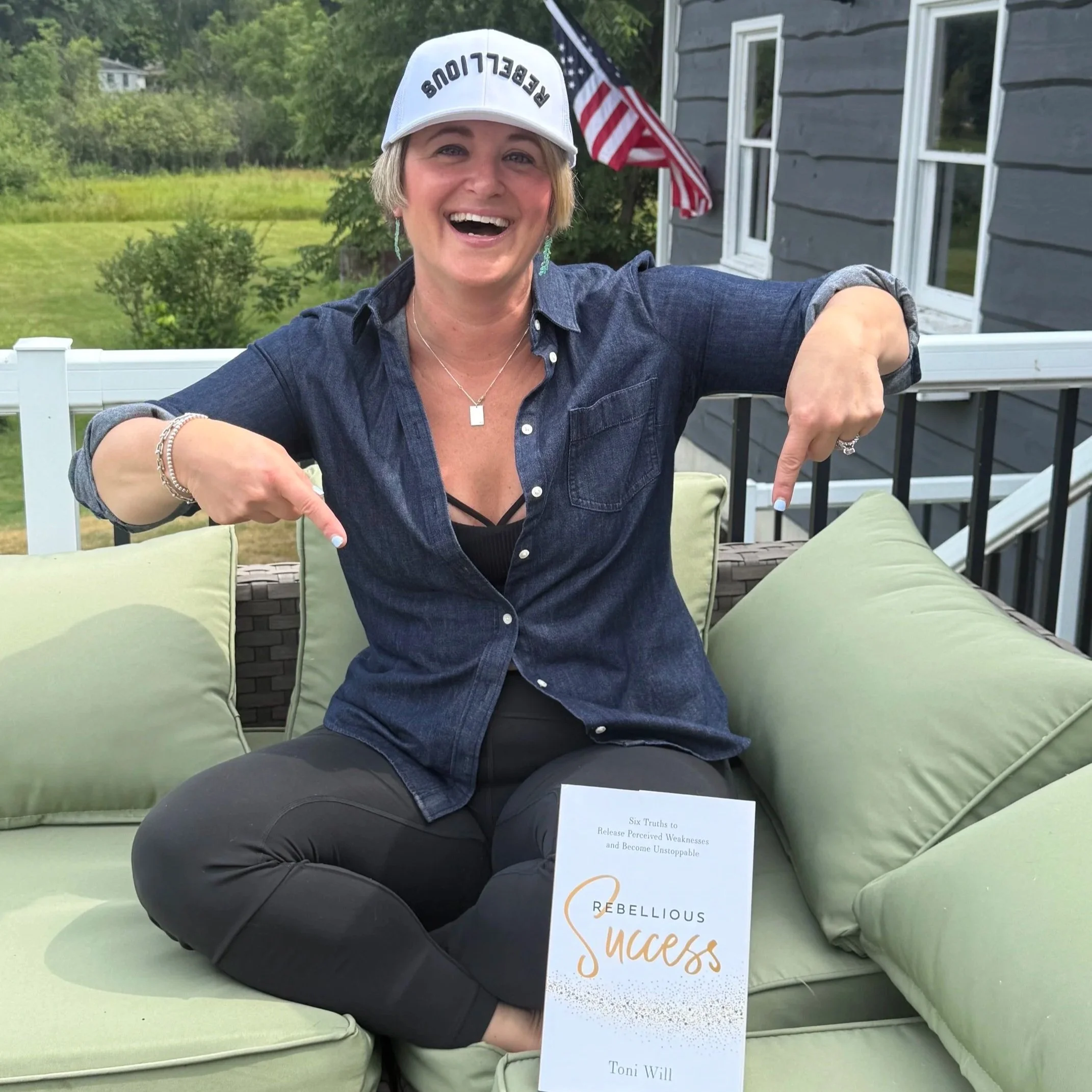
What It Really Takes to Write a Book
There is something magical about holding a book in your hands.
Whether it's a novel that transports you somewhere you've never been, a memoir that reminds you you're not alone, or a business book that changes the trajectory of your career, books have an incredible ability to shape the way we think. I've loved reading since I was a little girl, and now, just days away from publishing Rebellious Success, I have an even greater appreciation for every author whose name appears on a cover.
Because now I know what it took to get there.
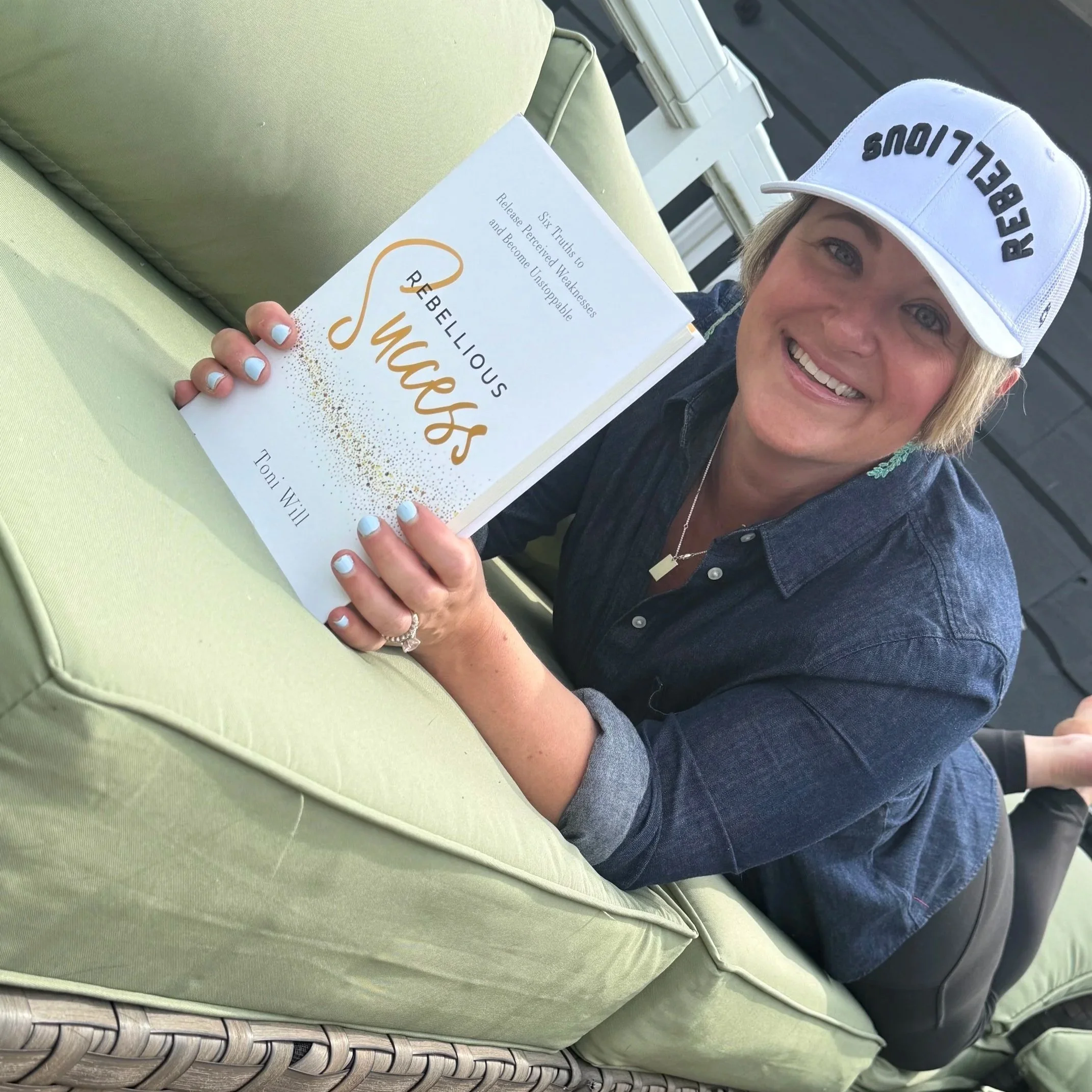
Rebellious Success: What It Really Means to Define Success on Your Own Terms
I didn't sit down one day and decide to write a book about success. If anything, I wrote this book because I realized I had been asking the wrong questions for most of my adult life.
Like many people, I believed success had a fairly straightforward formula. Work hard. Earn the promotion. Make more money. Buy the house. Build the career. Stay busy. Keep climbing. If you accomplished enough of those things, happiness and fulfillment were supposed to naturally follow.
The interesting thing is that, for a while, they did.

The Behavior First Approach: Why Willpower Is the Last Tool You Should Use
There is one question I ask every coaching client during our first conversation.
"On a scale of one to ten, how motivated are you today?"
I've heard every answer imaginable. Some people enthusiastically tell me they're at a ten because they're finally ready to make a change. Others quietly admit they're sitting at a two, exhausted from trying and failing so many times that they no longer trust themselves. Most fall somewhere in the middle.

The Six Toni Truths: A Leadership Framework for Women Who Want to Redefine Success
When people ask me where my Six Toni Truths came from, they usually assume I spent months researching leadership theories, attended conferences, or hired an executive coach to help me develop a framework.
The truth is much less glamorous. They were born out of complete ignorance.
Can Your Liver Recover After Years of Drinking? You're Asking the Wrong Question
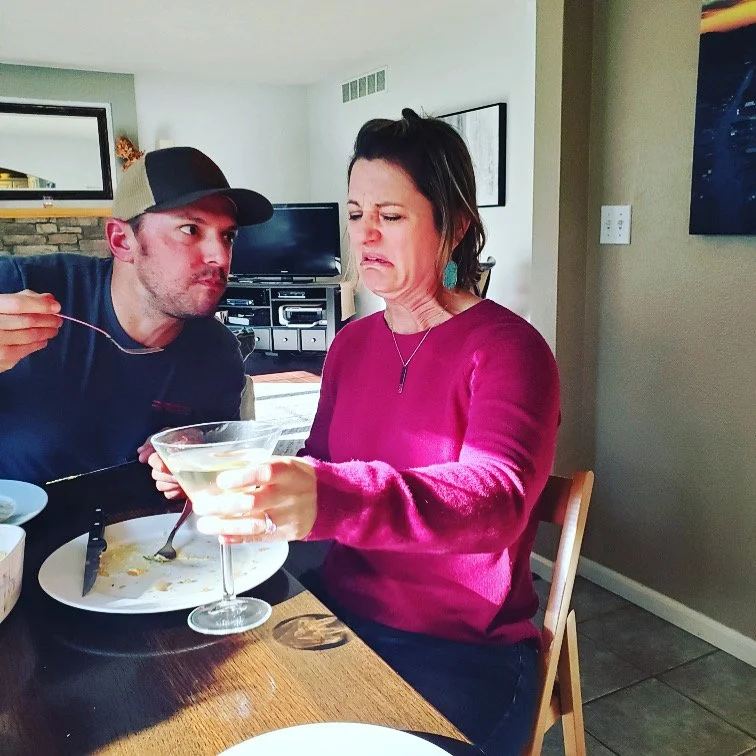
If you've spent any time on social media this month, you've probably seen people talking about Dry July. Every July, thousands of people decide to take a 31-day break from alcohol. Some are hoping to sleep better. Others want to lose a few pounds, save money, or simply prove to themselves that they can go a month without drinking. Whatever the motivation, I find myself cheering them on because I believe curiosity is one of the greatest catalysts for change.

Is 2 Drinks Every Night a Problem? What Behavior Science Says (And What to Ask Yourself Instead)
"Is drinking every night bad?" "Is two glasses of wine every night considered alcoholism?" "Am I an alcoholic if I drink every day?"
These are some of the most searched questions on the internet when it comes to alcohol. And I understand why. I asked versions of these questions myself for years.
Because if you're asking the question, there's a good chance you're not actually concerned about the quantity of alcohol. You're concerned about what your relationship with alcohol means. You want to know if you have a problem. You want to know if you should be worried. You want someone to tell you where the line is.
Unfortunately, there isn't a magic number that determines whether you're "fine" or whether you have a problem. In my experience as an alcohol-free coach for women, there is a much more useful question to ask.
How to Lead When You're the Only Woman in the Room: 6 Things I Learned Running a Men's Hockey Team
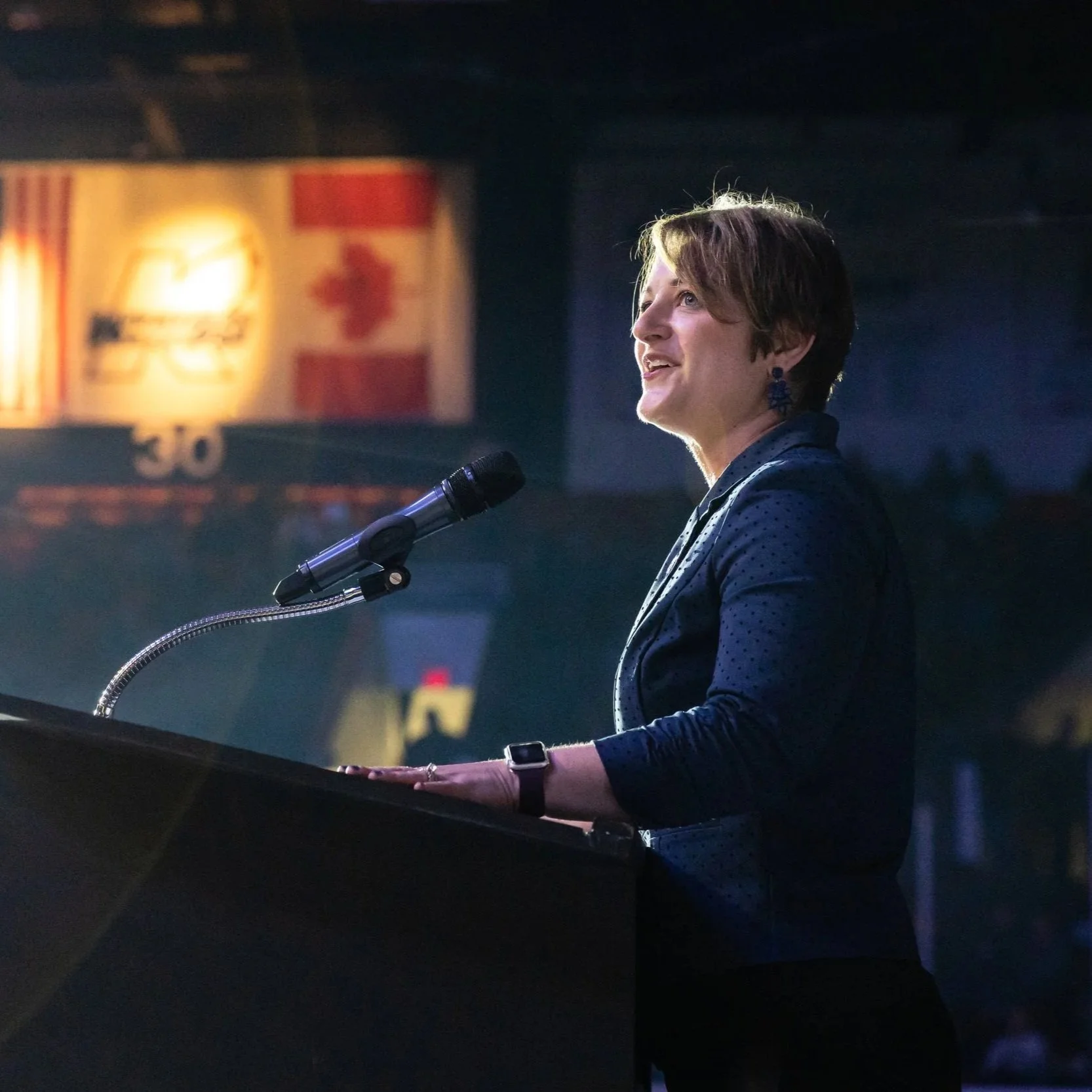
There are moments in your career when you become acutely aware that you're different.
Maybe you're the only woman in the meeting. The only woman on the leadership team. The only woman at the conference table. You look around the room and realize there isn't anyone who looks quite like you or has walked the same path.
I've spent much of my career in those rooms.
Professional hockey is one of them.
The Sober Curious Professional: What Happens to Your Career When You Stop Drinking
Last week, I wrote about Alcohol-Free Leadership and the response was overwhelming.
What struck me most wasn't how many people reached out publicly. It was how many reached out privately.
The messages sounded something like this:
"I've been thinking about my relationship with alcohol."
"I don't have a problem, but I don't know if it's serving me anymore."
"I've wondered what would happen if I stopped drinking, but I'm worried about how it would impact my career."
If that's you, you're not alone.
In fact, you're part of a growing movement.

What Is Alcohol-Free Leadership? (And Why It May Be the Competitive Advantage Nobody’s Talking About)
For a long time, alcohol was deeply woven into leadership culture.
Deals over drinks.
Networking happy hours.
Celebration dinners.
Wine on planes.
Cocktails at conferences.
Beer at sporting events.
In many industries, drinking isn’t just normalized. It’s expected.
I bought into that culture too.
As a professional sports executive leading in a male-dominated industry, alcohol was everywhere socially, professionally, and culturally. It was part of relationship building, stress management, celebration, and sometimes simply survival in high-pressure environments.
What I didn’t realize at the time was how much mental energy, emotional bandwidth, physical recovery, and TIME alcohol was quietly taking from me.
Now, nearly six years alcohol-free, I can confidently say this:
Removing alcohol didn’t make me less successful socially or professionally. It made me significantly sharper as a leader.
Camera On or Camera Off?
The Virtual Meeting Debate Nobody Agrees On
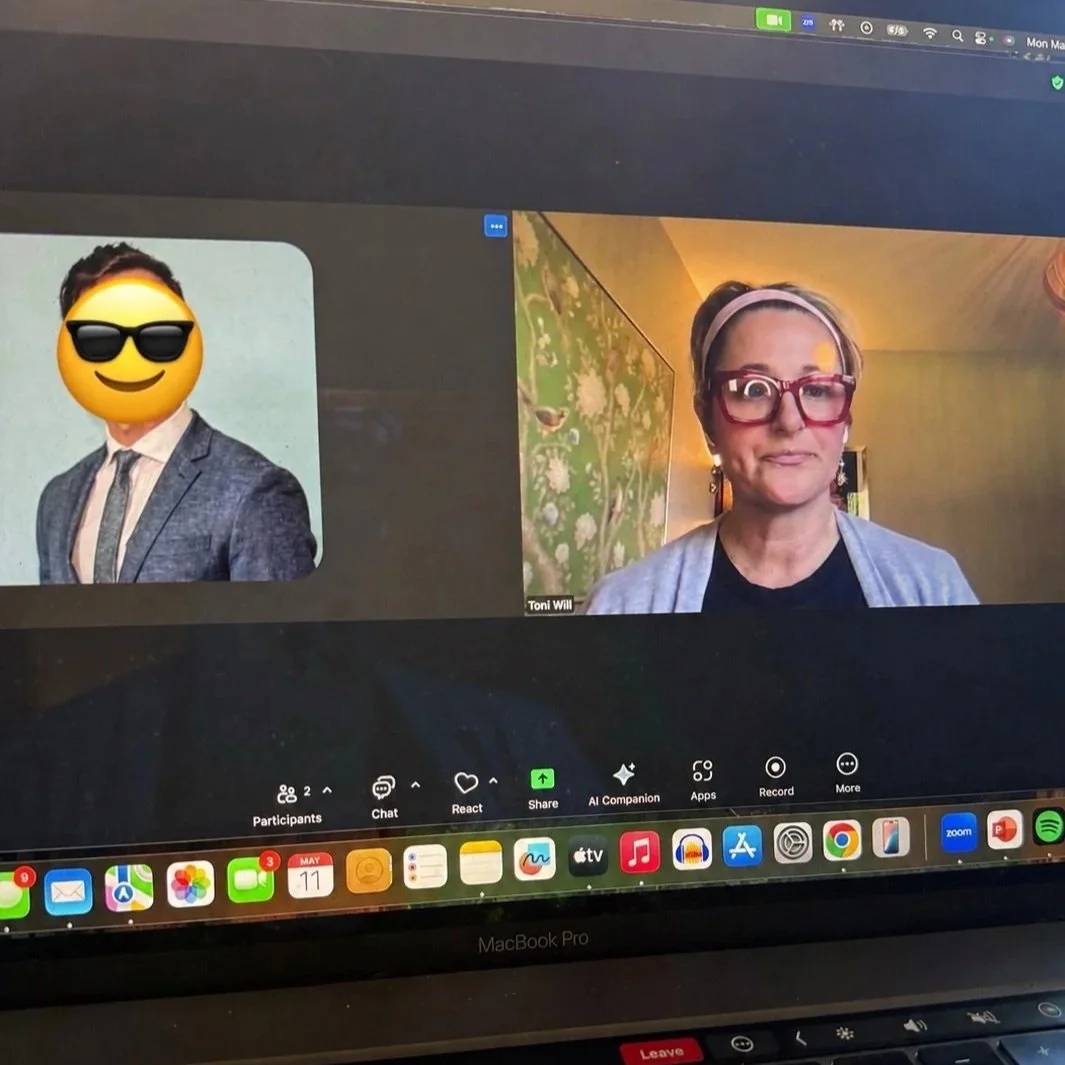
I had a sales meeting recently with a potential vendor. I was on camera. He was not.
Before we started, he asked if I had any questions and I said,
“Yeah actually… is this meeting on camera or off camera?”
He responded that he’s “an off-camera guy.”
And honestly? I found the entire interaction fascinating. Not wrong. Not offensive. Just… interesting.
Because if you would have asked this question five years ago, the answer probably would have been obvious. Now? It has somehow become one of the most polarizing workplace debates out there.

Rebel or Reactive? The Truth About Ego, Pride, and Defensiveness
Last week, I found myself in several situations where I immediately went into defense mode.
You know the feeling. Someone questions your decision, your opinion, your approach at work, and before you even have time to think rationally, your internal reaction is basically:
“HOW DARE YOU?”
The emotional claws come out before logic has even entered the room.
Now, thankfully, age, experience, coaching, therapy, books, life… whatever combination of all of it… has given me enough awareness to pause before reacting. I can now stop and ask myself:
“What am I making this mean?”
But if I’m being honest, I’m still annoyed that my automatic response is defensiveness. Can anyone else relate to this?

When Ambition Meets Motherhood: The Hard Truth My Daughter Taught Me
Last Monday, I got into a fight with my 19-year-old daughter. I’m lucky, because that doesn’t happen very often, but when it does, the uncomfortable feelings tend to stay with me longer than I’d like.
It wasn’t even the argument itself that bothered me most. It was what she said in the middle of it.
She told me I was selfish. She said I’m always focused on what matters to me — hockey, the new arena project, coaching, the podcast, my book — and that I don’t always stop to see things from her perspective. She said I tend to make things about my own experiences.
That one landed hard.

The Case for a “Both and” Life: Full-Time Career + Side Business
During the early days of COVID-19 pandemic, a lot of people got a wake-up call they didn’t ask for. Jobs disappeared. Income dried up. Entire industries paused overnight. For those without a backup plan, it was scary.
I was fortunate. I work for an organization that genuinely cares about its people, and we found ways to get creative when hockey came to a halt. But let’s be honest… it was still unsettling. No commissions. No bonuses. A lot of uncertainty. And a lot of extra time.
That extra time became a turning point.
Like many people, I decided to build something. I went all in on getting certified through This Naked Mind Institute to help people reduce or remove alcohol from their lives. Six months of weekly classes, coursework, and assessments later, I launched my coaching practice.
Accountability. I hate it.
Or… I used to.
Lately, I’ve been rethinking that.
I’m reading The Science of Scaling by Dr. Benjamin Hardy, and accountability keeps popping up everywhere. Books. Podcasts. Coaching conversations. Sales teams trying to hit goals. It’s like the universe is saying, “Hey… we’re not done with this topic.”
And I’ll be honest… I used to say it out loud: I hate being held accountable.
Because in my mind, I held myself accountable.
But here’s where that thinking gets challenged…
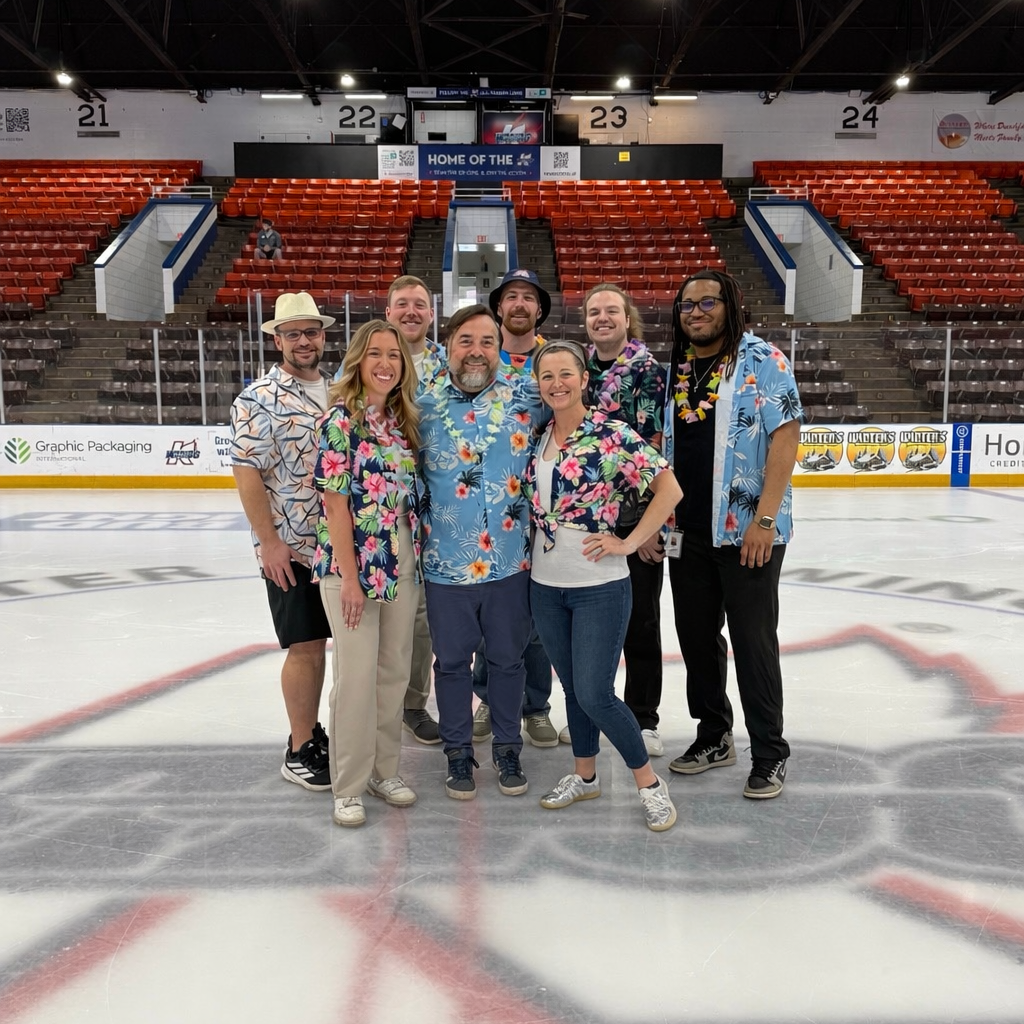
Seven Ways to Build a Kick Ass Office Culture (That Actually Lasts)
Let’s start here.
A great office culture isn’t created with free snacks, ping pong tables, or a once-a-year holiday party.
It’s built intentionally. Over time. With consistency.
And while some leaders are naturally wired for people, connection, and energy, culture isn’t something you either “have” or you don’t. It’s something you build, reinforce, and protect.
The organizations that get this right don’t just feel different… they perform differently too.
Companies with strong cultures see up to 4x higher revenue growth and significantly lower turnover compared to those that don’t prioritize it. Engaged teams are also 17% more productive and 21% more profitable.
So where do you start?

Look How Far You’ve Come
I was just interviewing a guest for Women In… and we started talking about her first job.
It stopped me for a second.
Because it made me think about how far we’ve actually come… and how long the story really is.
On paper, I’ve been working for 25 years. I graduated college in 2001 (yes… 2001). But if I’m being honest, it’s way longer than that.
My first real job was in 1994 at Bob Evans on South Westnedge. Kalamazoo people know exactly the one. I was making $4.25 an hour as a busser.
This was back when people still smoked inside. No cell phones. No technology. Just showing up, doing the work, and hoping your section turned fast.
I would come home smelling like syrup, sausage, and cigarettes.
And I loved it.
I had that job for about 9 months, which at the time felt like forever. But it was my first taste of making my own money. Real W2 money. Not allowance. Not “you did your chores, here you go.” This was different. This was mine.
And that feeling… it sticks with you.