The Power of Saying “I Don’t Know” and “No”

Two of the most powerful phrases we can say are also two of the hardest:
I don’t know.
No.
Both tend to trigger discomfort, fear, and a whole lot of stories we tell ourselves. We worry about how we’ll be perceived. We worry about disappointing people. We worry about looking unqualified, incapable, or selfish.
But in reality, these two phrases are not weaknesses. They are skills. And when used intentionally, they can change how you lead, learn, and live.
The Truth About Saying “I Don’t Know”
Many of us were conditioned early to believe that not knowing equals not being smart. Somewhere along the way, “I don’t know” became synonymous with “I’m failing” or “I don’t belong here.”
So we bluff. We overtalk. We give half-answers. We nod along. We Google later.
But here’s the truth:
Most people do not expect you to have all the answers.
What they do expect is honesty, curiosity, and a willingness to learn.
Saying “I don’t know” creates space. Space to ask better questions. Space to do real research. Space to grow. It signals confidence, not incompetence. It tells the room, “I’m secure enough to learn in real time.”
It also leads to better outcomes. When we admit what we don’t know, we invite collaboration instead of pretending. We shift from performing to problem-solving. And often, we walk away smarter than when we arrived.
“I don’t know” isn’t the end of the conversation.
It’s the beginning of learning something new.
The Power of Saying “No”
If “I don’t know” challenges our ego, “no” challenges our boundaries.
Many high-achievers, helpers, leaders, and caregivers struggle with saying no. We say yes because we’re capable. Because we care. Because we don’t want to let anyone down. Because we’ve been praised for being dependable.
If you suffer from over-responsibility, this one hits close to home. I know it does for me.
But every yes costs something. Time. Energy. Focus. Health. Presence.
When we don’t say no, we often overextend ourselves until resentment, burnout, or exhaustion forces a harder stop. Saying no earlier is not selfish. It’s self-respect.
“No” is not about shutting people out.
It’s about protecting what matters.
Clear boundaries allow us to show up fully for the things we say yes to. They allow us to be sustainable instead of stretched thin. And they model healthy behavior for others, especially those watching us lead.
Why Both Matter
“I don’t know” keeps us learning.
“No” keeps us grounded.
One protects curiosity. The other protects capacity.
Together, they help us live and lead with integrity instead of fear. They free us from the exhausting need to prove ourselves at every turn. And they remind us that we don’t have to earn our worth through over-functioning.
You don’t need all the answers.
You don’t need to do all the things.
Sometimes the bravest, smartest thing you can say is simply,
“I don’t know.”
Or,
“No.”
Want to Go Deeper? Here’s the Research
If you like evidence to back up intuition, here are a few resources worth exploring:
Harvard Business Review on the strategic importance of saying no
Psychology Today on over-responsibility, people-pleasing, and boundaries
YouTube Video to check out!
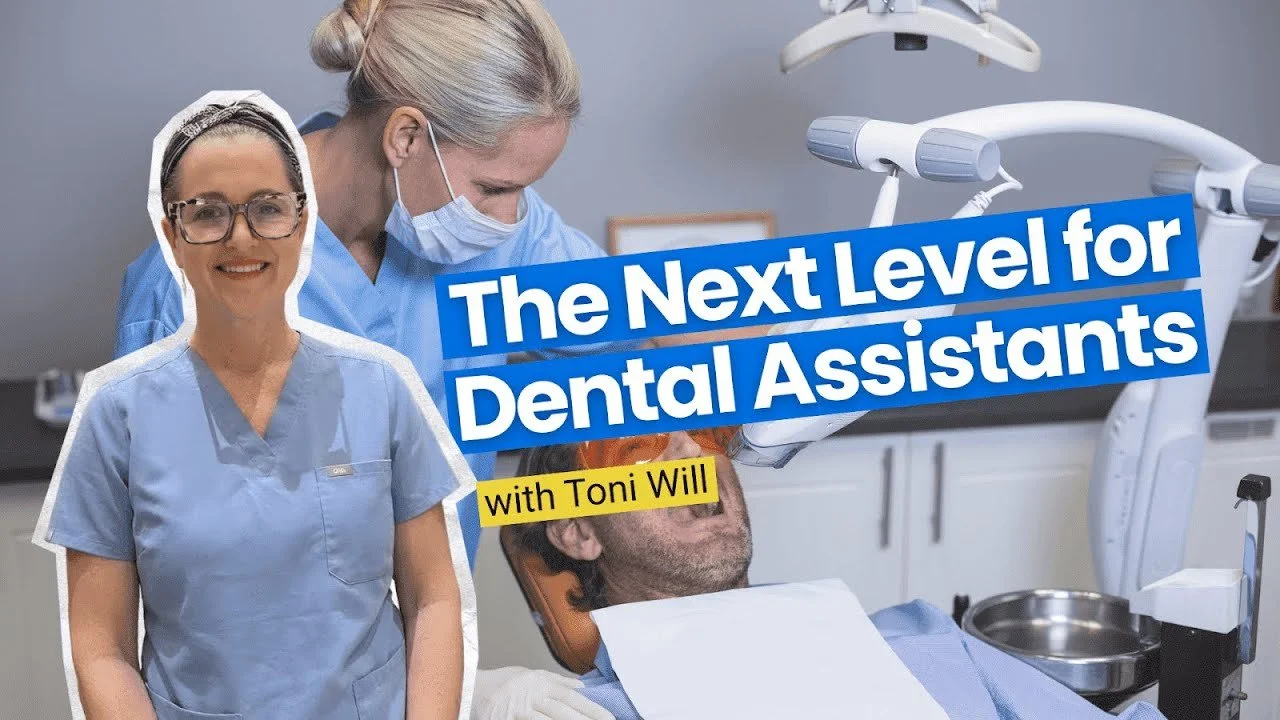
I was recently a guest on The Next Level for Dental Assistants podcast, and I have to say, the thumbnail alone is hilarious — AI was clearly hard at work, somehow transforming me from a pro hockey executive into a dental assistant. Beyond the thumbnail, it’s a fun and motivating 15-minute conversation about how to start making meaningful change in your life, especially as we head into the New Year. If you’re looking for a quick, inspiring listen, check it out here: