The Sober Curious Professional: What Happens to Your Career When You Stop Drinking
🔗 Resources
Gallup: U.S. Drinking Rate at New Low as Alcohol Concerns Surge
Gallup: Young Adults in U.S. Drinking Less Than in Prior Decades
🔗 Additional Resources
Last week, I wrote about Alcohol-Free Leadership and the response was overwhelming.
What struck me most wasn't how many people reached out publicly. It was how many reached out privately.
The messages sounded something like this:
"I've been thinking about my relationship with alcohol."
"I don't have a problem, but I don't know if it's serving me anymore."
"I've wondered what would happen if I stopped drinking, but I'm worried about how it would impact my career."
If that's you, you're not alone.
In fact, you're part of a growing movement.
Recent Gallup data shows alcohol consumption in the United States continues to decline, particularly among younger adults. In 2025, only 54% of Americans reported drinking alcohol, the lowest level Gallup has recorded in decades. Among adults ages 18-34, the percentage who report drinking dropped from 59% in 2023 to 50% in 2025.
The sober curious movement isn't a trend. It's a cultural shift.
And nowhere is that shift more interesting than among high-achieving professionals.
When people think about quitting drinking, they often focus on the health benefits. Better sleep. Weight loss. Improved energy. Those are all real, and many people experience them quickly. But what if the more interesting question is this: What happens to your career when you stop drinking?
As someone who spent years climbing the corporate ladder, leading teams, attending networking events, entertaining clients, and now coaching professionals across multiple industries, I've noticed something fascinating. Almost nobody regrets becoming more intentional about alcohol. What surprises them is how much it impacts their professional life.
The first thing most people notice isn't what they lose. It's what they gain.
Many professionals tell me they experience sharper thinking. No one performs at their best with even a slight mental fog. When alcohol leaves the equation, people often report improved focus, better decision-making, and greater clarity during meetings. They aren't trying to remember conversations from the night before or pushing through a day after a networking event. They're simply showing up fully.
Another common benefit is improved presence. One of the greatest myths about alcohol is that it makes us better socially. For a few hours, it might make us feel more relaxed, but long term, many people discover alcohol was masking social anxiety rather than solving it. Without it, they develop genuine confidence. The ability to walk into a room, introduce themselves, start a conversation, and connect with others without needing a drink in their hand becomes a superpower.
I also see significant growth in negotiation skills and difficult conversations. Alcohol teaches us to avoid discomfort. Leadership requires us to move toward it. Whether it's negotiating a contract, asking for a raise, setting a boundary, addressing conflict, or having a tough conversation with a team member, confidence grows when you learn to trust yourself rather than outsource courage to a beverage.
One of the most surprising benefits is the quality of professional relationships. Instead of bonding over happy hour, people begin building trust through shared experiences, common goals, and authentic connection. The relationship itself becomes the point, not the drink. The conversations are often deeper, the follow-through is stronger, and the trust is more genuine.
But the biggest shift I see has nothing to do with meetings, networking, or presentations. People become more intentional about their calendars, their commitments, their energy, and where they spend their time. It's difficult to build a life aligned with your values when you're constantly numbing, escaping, or recovering.
When alcohol leaves the picture, you gain something incredibly valuable: awareness.
Awareness changes everything.
You begin asking better questions. Do I actually want to attend this event? Do I enjoy these relationships? Does this opportunity align with my goals? Am I building a career that looks successful, or one that actually feels successful?
Those questions can be uncomfortable. They're also transformational.
Interestingly, this is where the conversation often shifts from alcohol to leadership. The people I coach who become alcohol-free don't simply stop drinking. They start making different decisions. They become more protective of their time. They establish stronger boundaries. They become more selective about the opportunities they pursue. They stop saying yes out of obligation and start saying yes with intention.
In other words, they begin leading themselves differently.
One of the reasons the sober curious movement continues to grow is because more people are realizing they don't need to hit rock bottom to evaluate their relationship with alcohol. You don't need a DUI. You don't need a diagnosis. You don't need a dramatic story.
Sometimes curiosity is enough.
What would happen if I took a break? How would I feel? What might improve? What might I learn about myself?
Those questions are worth exploring.
This idea is deeply connected to a concept I explore in my upcoming book, Rebellious Success. The book challenges many of the assumptions we've inherited about achievement, leadership, and what it means to build a meaningful life. For decades, alcohol has been woven into professional culture. It's present at networking events, client dinners, conferences, celebrations, and team outings. It's often treated as a requirement rather than a choice.
But what if one of the most rebellious things a professional could do is question whether that expectation still serves them?
What if success isn't always about adding another strategy, certification, productivity hack, or leadership framework? What if sometimes success comes from removing something that no longer aligns with who you're becoming?
For me, becoming alcohol-free wasn't ultimately a health decision. It wasn't even a sobriety decision.
It was a leadership decision.
I wanted more energy. More clarity. More alignment. More freedom. The same things many professionals tell me they're looking for today.
The irony is that most of them already know the answer. They're just waiting for permission to ask the question.
What would be possible if you brought your sharpest, most authentic self into every room you entered? What conversations would you have? What opportunities would you pursue? What boundaries would you set? What version of success might you create?
You might be surprised by the answer.
Resources
Gallup: U.S. Drinking Rate at New Low as Alcohol Concerns Surge
Gallup: Young Adults in U.S. Drinking Less Than in Prior Decades
Additional Resources
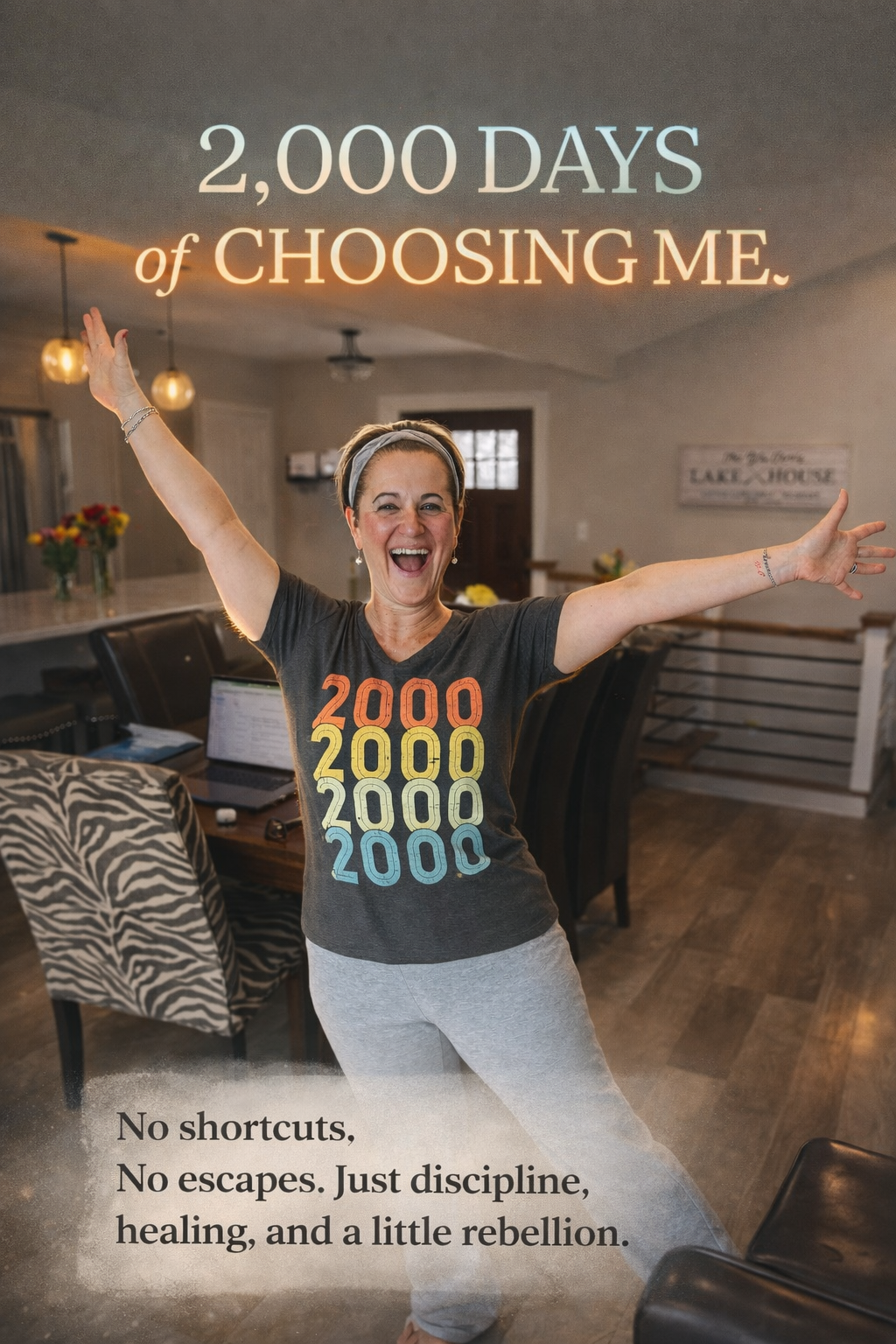
Whether you choose abstinence, moderation, or simply greater awareness, the conversation around alcohol is changing. More professionals than ever are questioning its role in their lives, leadership, and careers. That's not something to fear. It's something to explore.
Because sometimes the most powerful career move isn't adding something new.
It's removing something that no longer serves the person you're becoming.