Can Your Liver Recover After Years of Drinking? You're Asking the Wrong Question
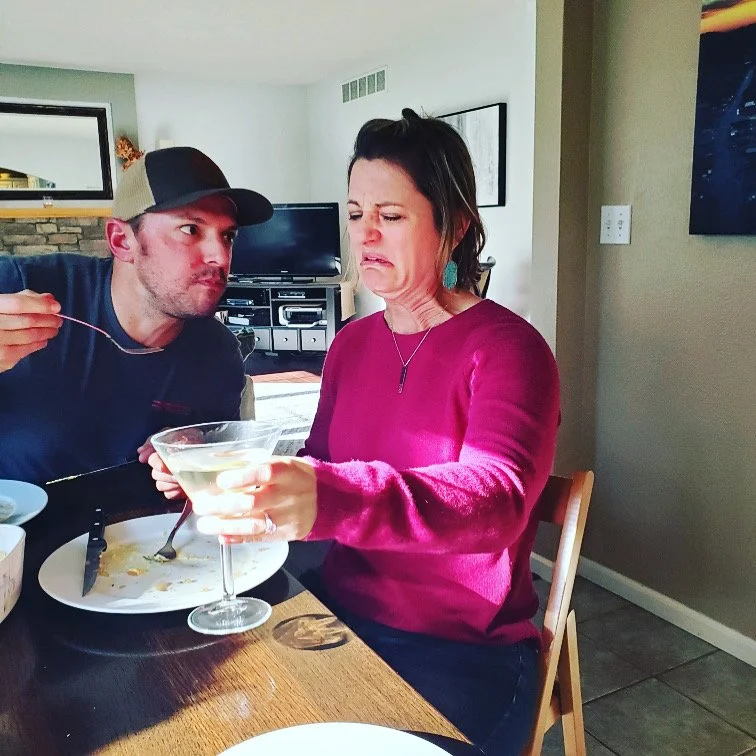
If you've spent any time on social media this month, you've probably seen people talking about Dry July. Every July, thousands of people decide to take a 31-day break from alcohol. Some are hoping to sleep better. Others want to lose a few pounds, save money, or simply prove to themselves that they can go a month without drinking. Whatever the motivation, I find myself cheering them on because I believe curiosity is one of the greatest catalysts for change.
As I was reading about Dry July this week, I learned there are actually a few different versions of the movement. Of course, there's Dry July, where the goal is to avoid alcohol for the entire month. Then there's Damp July, where people intentionally reduce how much they drink without eliminating alcohol altogether. As a coach, I absolutely love that concept because it moves us away from the trap of all-or-nothing thinking. We tend to believe we either have to quit forever or not bother changing at all. But meaningful transformation rarely begins with perfection. It begins with awareness. If someone drinks four nights this week instead of seven, that's progress. If they pause before pouring a glass of wine and become curious about why they want it, that's progress too. Every positive step deserves to be celebrated because awareness is almost always the first step toward lasting change.
Then there's one more category, although I don't think you'll find it on any official Dry July website.
I call it Drenched July.
That was me.
Or, as many of you have heard me say over the years, Toni Party Time.
Summer wasn't just my favorite season because of the weather. It was my favorite season because every weekend came with another reason to celebrate. Patios, concerts, lake days, baseball games, weddings, vacations, backyard barbecues...if people were gathering, alcohol was almost certainly part of the plan. Looking back, I don't judge that version of myself because she was doing exactly what our culture told her was normal. What I do recognize now is that I never stopped long enough to ask what alcohol was actually costing me.
Eventually, that curiosity led me to one of the most common questions I hear today from people who are beginning to question their own relationship with alcohol.
Can my liver recover after years of drinking?
It's a completely understandable question, and thankfully, the answer is often encouraging. The liver is one of the most resilient organs in the human body, and research has shown that many alcohol-related changes can improve significantly when someone stops drinking, particularly before permanent damage has occurred. Fatty liver disease can often reverse, inflammation can decrease, and liver function frequently improves with sustained abstinence. That's wonderful news, and it should give hope to anyone who worries they've already done too much damage.
But after nearly six years of living alcohol-free and coaching hundreds of people through changing their relationship with alcohol, I've come to believe we've been asking the wrong question.
The greatest transformation isn't happening in the liver.
It's happening in the brain.
Think about it for a moment. When was the last time someone told you they were excited because their liver enzymes had improved?
It happens, of course, but that's rarely the story people share.
Instead, they tell me they're finally sleeping through the night. They tell me the constant anxiety that seemed to follow them everywhere has started to quiet down. They describe walking into meetings with greater confidence because their minds feel sharper. They tell me they're more patient with their children, more present with their spouse, and no longer lying awake at three o'clock in the morning replaying conversations from the night before.
Those aren't stories about the liver.
They're stories about the brain.
One of the biggest misconceptions we have about alcohol is that we don't think of it as a drug. I intentionally use that word because I think we've become conditioned not to. The alcohol industry has done an extraordinary job convincing us that alcohol is something entirely different. Wine is marketed as self-care. Champagne symbolizes success. Craft cocktails promise sophistication, connection, and celebration. Alcohol has become so intertwined with our social lives that we've almost forgotten what it actually is.
Alcohol is a drug.
That doesn't mean everyone who drinks has a drinking problem. It simply means we should be honest about what we're consuming and understand how it affects the body. It's also worth acknowledging that alcohol is the only recreational drug advertised during sporting events, served at networking receptions, celebrated at weddings, and marketed as the reward for surviving a stressful day. If another recreational drug were promoted that way, we'd probably question it. Yet alcohol has become so normalized that we rarely stop to think about what it's doing beneath the surface.
One of the things I learned while researching this topic fascinated me. Alcohol doesn't just travel to the liver. Once it enters your bloodstream, it crosses something called the blood-brain barrier, a protective filter designed to shield your brain from harmful substances. Alcohol passes through that barrier with surprising ease, where it begins affecting the very systems responsible for judgment, memory, emotional regulation, learning, sleep, and decision-making.
When I first understood that, everything clicked.
I stopped wondering what alcohol might be doing to my liver and started wondering what it had been doing to my mind all those years.
That shift completely changed the way I viewed my own alcohol-free journey.
When I stopped drinking nearly six years ago, I expected to notice physical improvements. I thought I might sleep a little better, lose a little weight, or simply feel healthier. Those things certainly happened, but they weren't what surprised me most. The biggest transformation was the mental clarity I didn't even realize I had been missing. The brain fog slowly disappeared. I became more present in conversations, more thoughtful in my decision-making, and more patient in situations that previously would have triggered frustration or anxiety. Looking back, I don't think I became a different person. I think I simply became more of who I had always been underneath the alcohol.
That's exactly what I continue to see in my coaching practice today.
People often begin this journey hoping to improve their health, and they absolutely do. But somewhere along the way, the conversation shifts. They stop talking about calories and start talking about confidence. They stop talking about liver health and start talking about leadership. They tell me they're handling conflict differently at work. They're speaking up in meetings instead of second-guessing themselves. They're becoming more emotionally available in their relationships. They describe feeling calmer, clearer, and more authentic than they have in years.
Science helps explain why. Researchers continue to study the brain's incredible ability to heal through neuroplasticity, the process by which the brain forms new neural connections and recovers after alcohol is removed. While every person's experience is different, studies suggest that cognitive function, emotional regulation, and brain structure can improve over time with sustained abstinence. That's an incredibly hopeful message because it reminds us that healing isn't limited to one organ. Our brains are remarkably resilient too.
Perhaps that's why I think we've been focusing on the wrong health question.
Yes, your liver matters.
Absolutely.
But your brain is where every decision begins. It's where your relationships are built. It's where creativity lives, where leadership develops, and where resilience is strengthened. It's the part of you that shows up for your family, your career, your community, and your dreams. If alcohol is quietly interfering with those things, then the conversation becomes much bigger than liver health.
So whether you're participating in Dry July, embracing Damp July, or you're simply becoming more curious about your relationship with alcohol, I'd encourage you to ask yourself a different question this month.
Instead of asking, "Can my liver recover?" ask, "What might become possible if my brain had the opportunity to heal?"
For me, that question changed everything.
It didn't just change my health.
It changed the way I lead, the way I love, the way I coach, and ultimately, the way I define success. Looking back, becoming alcohol-free wasn't simply about removing a drink from my hand. It was about removing the mental fog that had quietly settled over my life. Once that fog lifted, I discovered something I never expected.
The healthiest part of my alcohol-free journey wasn't what happened to my liver.
It was getting my mind back.