Camera On or Camera Off?
The Virtual Meeting Debate Nobody Agrees On
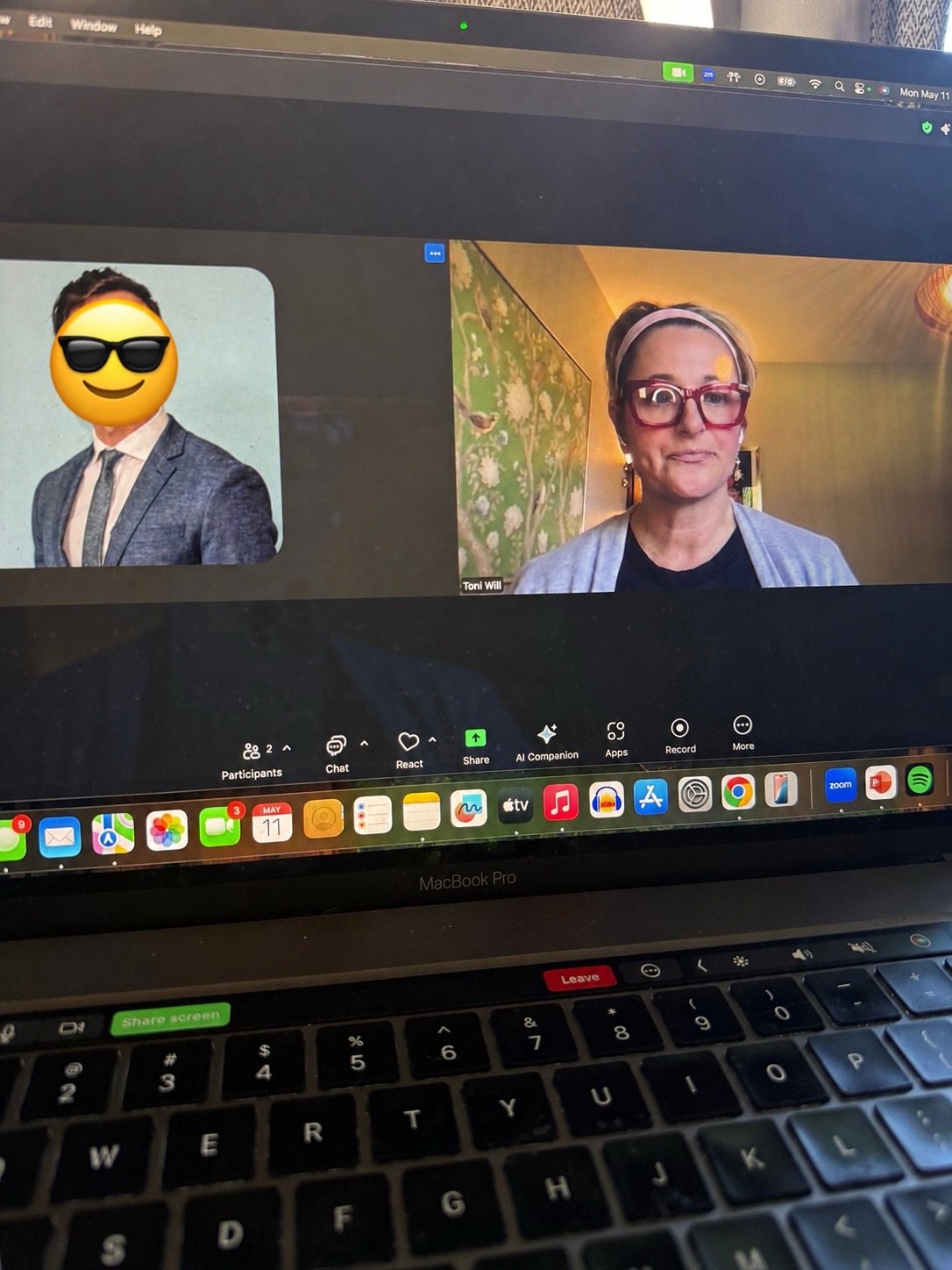
I had a sales meeting recently with a potential vendor. I was on camera. He was not.
Before we started, he asked if I had any questions and I said,
“Yeah actually… is this meeting on camera or off camera?”
He responded that he’s “an off-camera guy.”
And honestly? I found the entire interaction fascinating. Not wrong. Not offensive. Just… interesting.
Because if you would have asked this question five years ago, the answer probably would have been obvious. Now? It has somehow become one of the most polarizing workplace debates out there.
Last week I posted this exact topic on LinkedIn and the comments rolled in FAST:
“Camera on is respectful.”
“Camera off helps me focus.”
“If your camera is off, you’re disengaged.”
“If my camera is on all day, I’m exhausted.”
And honestly? I found myself agreeing with pieces of almost every perspective.
What’s interesting is this conversation isn’t really about cameras.
It’s about:
culture
expectations
visibility
burnout
leadership
trust
performance
and how work fundamentally changed after 2020.
For some leaders, cameras on equals engagement. You can read body language, reactions, attentiveness, and energy. In industries or roles built heavily on relationships, collaboration, or sales, seeing faces can absolutely strengthen connection and communication.
There’s also a reality that visibility matters professionally whether we like it or not. One survey found 92% of executives believed employees who regularly keep cameras off may hurt their long-term visibility within an organization. (Axios)
That stat may make some people uncomfortable… but it’s probably worth acknowledging because perception in leadership environments matters.
At the same time, the camera-off crowd makes some incredibly valid points too.
Research around “Zoom fatigue” exploded after the pandemic as virtual meetings became nonstop. Studies found constant video calls increase cognitive load, emotional exhaustion, self-monitoring, and overall fatigue.
And honestly… we’ve all felt it.
There’s something uniquely exhausting about staring at yourself on screen for eight hours while simultaneously trying to look engaged, monitor reactions, interpret delayed nonverbal cues, and pretend your dog, kids, Amazon driver, or life in general isn’t happening in the background.
One study even found dissatisfaction with facial appearance contributed to increased virtual meeting fatigue. In other words:
sometimes people aren’t turning their cameras off because they’re disengaged…
they’re turning them off because they’re mentally cooked.
Another interesting angle? Some people report they focus BETTER with cameras off. Audio-only meetings can allow people to walk, think more clearly, and actually pay closer attention to conversations without screen distractions.
And that resonated with me too.
Because if we’re being honest: we’ve all been on meetings where every camera was on… and half the people were still answering emails anyway.
So where do I land on this?
I think context matters.
A lot.
There’s a difference between:
a 6-person strategy meeting
a company-wide update
a recurring internal check-in
a brainstorming session
a webinar
a one-on-one
and your 8th Teams call of the day while your soul slowly exits your body.
I don’t think cameras need to be all on or all off all the time.
I think strong leaders create clarity around expectations while also leaving room for humanity.
Maybe the better question is:
What type of culture are we creating if people feel afraid to occasionally turn their camera off?
And on the flip side:
What kind of engagement are we creating if nobody ever turns them on?
Like most workplace debates, the answer probably lives somewhere in the middle.
But one thing is certain:
If you schedule a 60-minute meeting that could have been an email… I reserve the right to keep my camera off while questioning your leadership choices entirely. 😂